Touring

Explore the mountains on your own terms. Discover our lightweight touring ski collection that helps you find your secret snow stashes, and make each uphill journey and backcountry descent memorable.
CLEAR FILTERS
96mm
106mm
106mm
96mm
86mm
86mm
All products loaded

Frequently Asked Questions

While both are built to escape the crowds, they are designed for two different styles of backcountry riding:

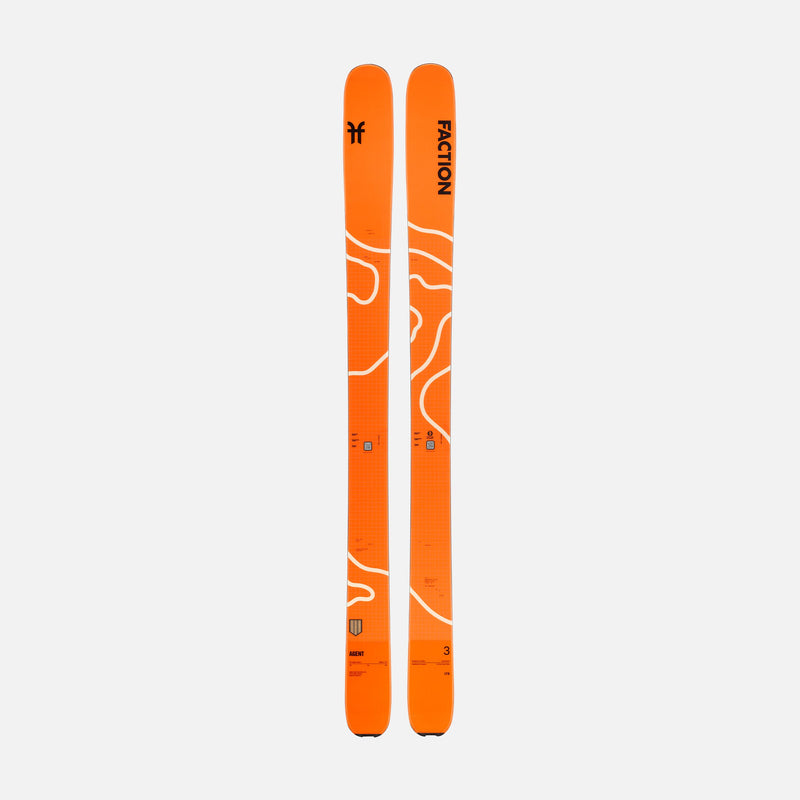
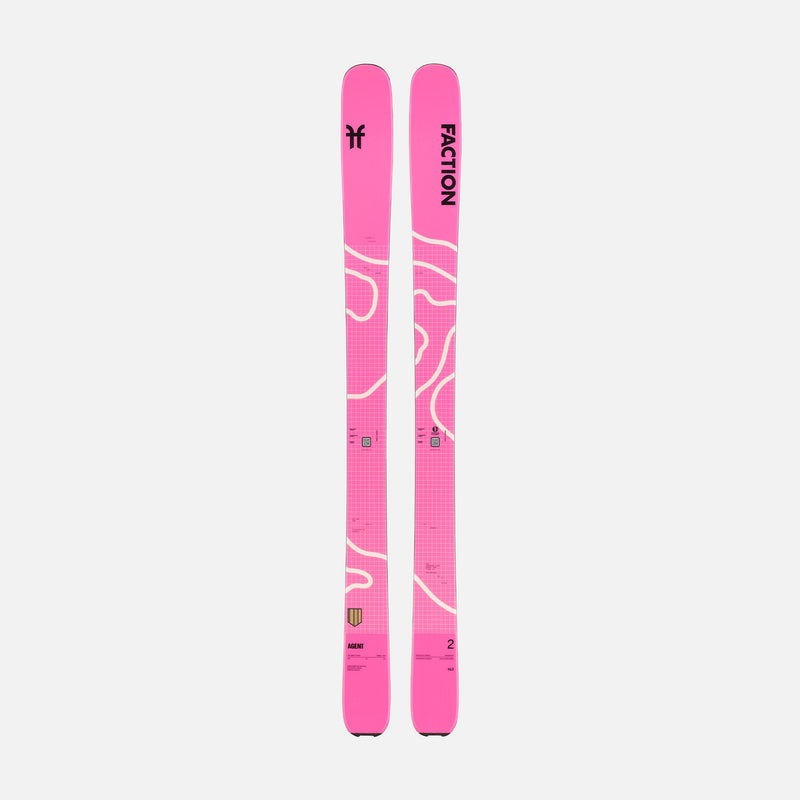
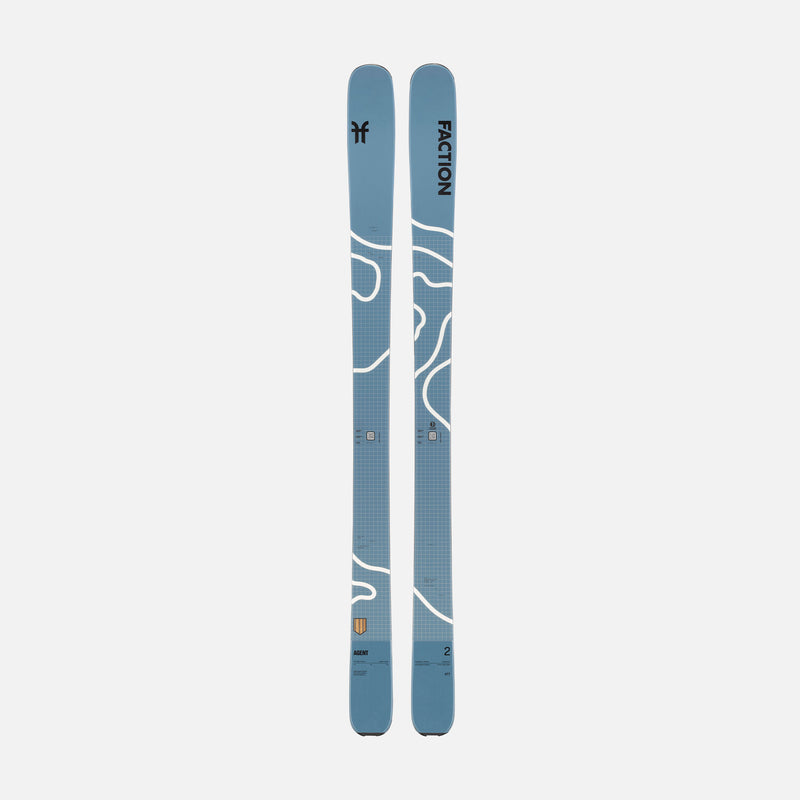
The Agent Series: Directional and versatile. Designed with a powerful, freeride-oriented shape, these skis are engineered with a lightweight Karuba wood core and a carbon weave. They feature a traditional flat-tail design that makes them stable, predictable, and highly reliable on technical ascents, wind-scraped ridges, and variable snow.

The La Machine Series: Ultralight and surfy. Our lightest, carbon-loaded touring family. They feature an extended, highly-rockered shape with a surfy, progressive design. Choose La Machine if you are looking to maximize float in deep powder while keeping weight to an absolute minimum on grueling uphill climbs.

The right width depends on where you plan to tour and the conditions you expect to find:

Under 95mm: Best for high-alpine objectives, spring touring, steep couloirs, and long-distance multi-day traverses where low weight and solid edge grip on hard snow are critical.

96mm to 105mm: The sweet spot for general backcountry touring. It handles variable winter conditions, wind-crust, and fresh powder with ease without weighing you down on the skin track.

106mm+: Built for the deep days. If you tour primarily in regions with heavy snowfall and are hunting untracked, waist-deep powder lines, this is your zone.

It boils down to uphill efficiency vs. downhill performance.

Touring skis are built to go up. They are engineered to be ultralight, swapping heavy metal for lightweight wood cores (like Karuba) and carbon fiber. This saves your legs on long climbs and multi-day tours, though they can feel a bit chattery at high speeds on hard resort snow.

Freeride skis are built to charge down. They are constructed with heavier, damp wood cores and sometimes Titanal metal sheets. This extra weight acts like a shock absorber, giving you maximum stability to blast through chop, land jumps, and charge fast.

Yes, if you plan on using them for touring, you will need a setup compatible with uphill travel.

Tech/Pin Bindings: Minimalist, ultra-lightweight bindings. They require your boots to have metal "tech inserts" in both the toe and the heel.

Hybrid Bindings: They give you a traditional alpine-style release for skiing down, but use pins for walking up. Because of this, your boots must have tech inserts in the toes to walk.

Frame Bindings: These are older, heavier style touring bindings where the entire binding frame lifts with your boot. They do not require tech inserts of any kind, but they are significantly heavier.

Rule of Thumb: If you plan to walk uphill using pins (on either a pure tech binding or a hybrid binding), your ski boots must have metal tech inserts in the toe. Always check with a professional shop to ensure your boot soles and bindings are fully compatible and have a certified ski technician mount and safety-test your setup before you hit the snow.

Yes, but they perform differently than a dedicated resort ski.

Because touring skis are built to be lightweight (using lighter wood cores like Karuba or Paulownia and carbon dampening), they do not have the same heavy mass to slice through frozen resort ruts or afternoon chunder.

If you want a 50/50 ski that splits its time evenly between lift laps and skin tracks, go with the Agent series.